
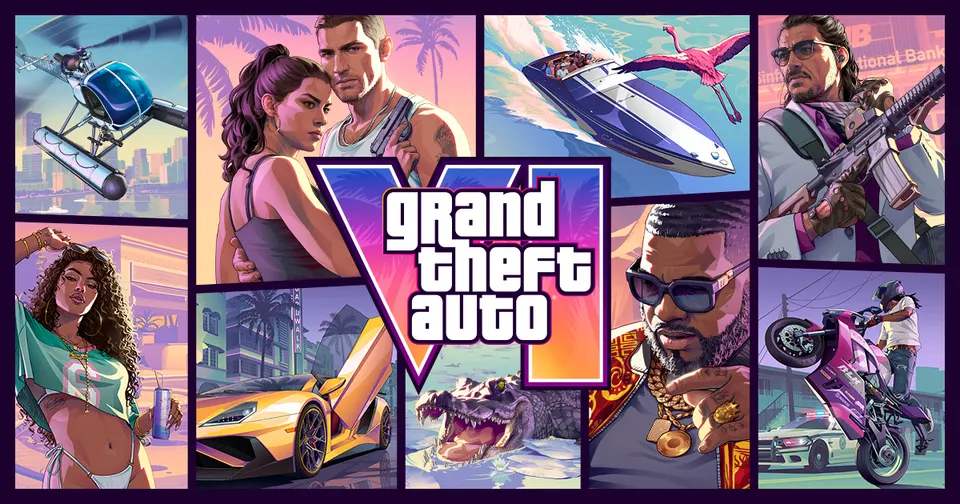
Rockstar is taking its GTA 6 marketing campaign across Miami, using real-world vehicles, a Vice City blimp and other citywide activations to promote the planned November 2026 release. The push is generating attention, but it has also opened a dispute between county officials, residents and supporters who see the partnership as an opportunity for Miami to benefit from the game’s profile.
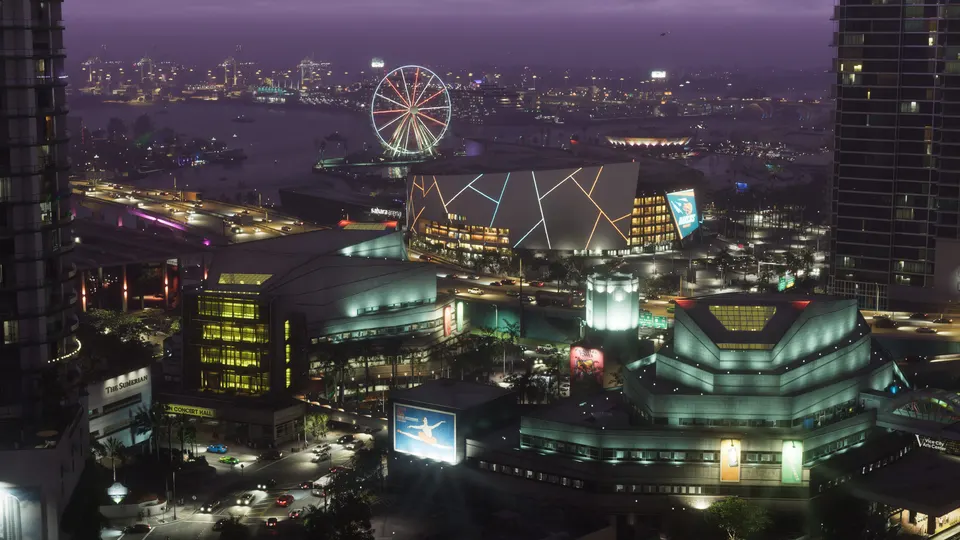
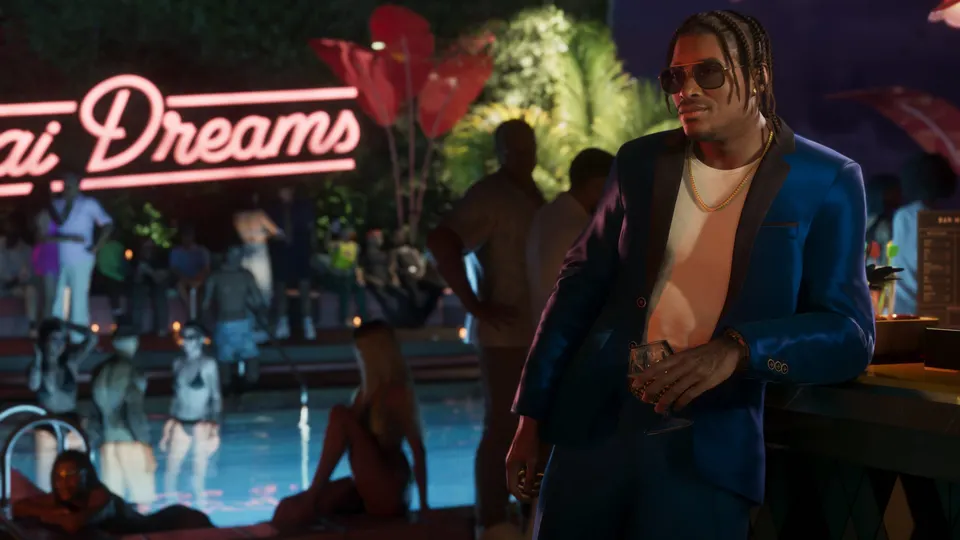
The reported campaign turns the long-running connection between Grand Theft Auto and Miami into a physical preview of Vice City. That matters because GTA Vice City established the series’ modern Miami identity through its saturated skies, neon streets, crime stories and exaggerated sense of place. GTA 6 is now extending that fictional identity into the real city, giving players a tangible sign of the setting Rockstar has been building toward.
The campaign has reached beyond a conventional ad buy
Rockstar’s Miami activity reportedly includes cars based on vehicles from the game, as well as a Vice City blimp and other promotions around the city. These are not simply billboard advertisements: they place recognizable pieces of GTA 6 imagery in public spaces where residents and visitors can encounter them directly.
That approach gives the campaign a level of scale that a short television spot or digital advertisement could not match. It also raises the stakes for the city. When a fictional world becomes visible through official-looking vehicles and installations, the line between branding Miami as “Vice City” and presenting Miami-Dade as a real place begins to blur.
Fortune’s coverage frames the controversy around that tension, noting that Miami-Dade County is not Vice City even as GTA 6 becomes increasingly prominent in the area. For players, the important point is that Rockstar appears willing to make Miami part of the launch conversation rather than confine its promotion to advertising.
Commissioners question the county’s role
Some Miami-Dade commissioners have criticized the campaign because they object to officials associating the county with a violent fictional game. Their concern is reputational as much as moral: public involvement can make GTA 6’s fictional violence feel like something endorsed by local government.
The Independent Journal Review reports that supporters take a different view. They argue that the partnership could bring revenue to the region and emphasize that the game is fiction. That distinction is central to the argument. GTA’s criminality exists inside a deliberately exaggerated world, but a real activation can still affect how the game is discussed and perceived by people who have no direct role in Rockstar’s business.
The dispute also shows that Miami is not treating the campaign as a neutral promotional agreement. It is becoming a test of whether a major entertainment property can claim a real city’s identity without overwhelming the local identity beneath it.
Why Miami carries special weight for the series
Miami has always occupied an unusual place in the Grand Theft Auto story. The 2002 game GTA: Vice City transformed the city into a colorful crime playground, and its pastel skyline, palm-lined roads and urban excess helped define the modern tone of the series. Later installments have revisited or reinterpreted that world, keeping Miami closely associated with the franchise’s identity.
For GTA 6 players, therefore, a real Miami campaign is more meaningful than promotion for an ordinary game setting. It signals that the city is not merely being used as a backdrop; its architecture, weather, culture and visual language are part of the experience Rockstar wants players to recognize when they see GTA 6.
At the same time, the controversy creates a useful measure of the campaign’s reach. If county commissioners are already debating the association between GTA 6 and Miami-Dade, the marketing has succeeded in making the game impossible to separate from the city in public discussion.
The numbers remain outside the campaign debate
Rockstar has not disclosed GTA 6’s development budget. Its publishing head has also rejected claims that development costs exceeded $1.5 billion, according to the Independent Journal Review. Those figures should not be presented as confirmed costs, and the controversy over the Miami campaign does not change what the company has publicly acknowledged.
The same report lists 4,711 Rockstar employees across 12 offices, providing a rough indication of the company’s scale but no breakdown of how many staff are working on GTA 6. Rockstar also has not publicly specified the full financial terms of its Miami activities, so the revenue supporters expect for the county remains unconfirmed.
What to watch before November
The next phase should reveal whether the Miami activation remains a concentrated promotional event or expands into a sustained citywide presence. The vehicles and blimp already provide direct visual links to the game, but the extent of further local involvement will determine how central Miami becomes to the launch.
Players should also watch for any clarification from county officials about their role in future events. The dispute could lead to a more formal divide between support and opposition, just as it has already produced competing messages from commissioners and campaign supporters.
Rockstar has confirmed November 2026 as the planned release window, while the reported Miami campaign gives fans their clearest real-world preview yet. Whether that excitement produces support or further backlash will depend on how closely the company’s presentation reflects Miami itself—and how carefully local officials manage the boundary between Vice City and the city it resembles.


Comments
Discuss on r/GTA6Sourced ↗No comments yet. Be the first to say what you noticed.