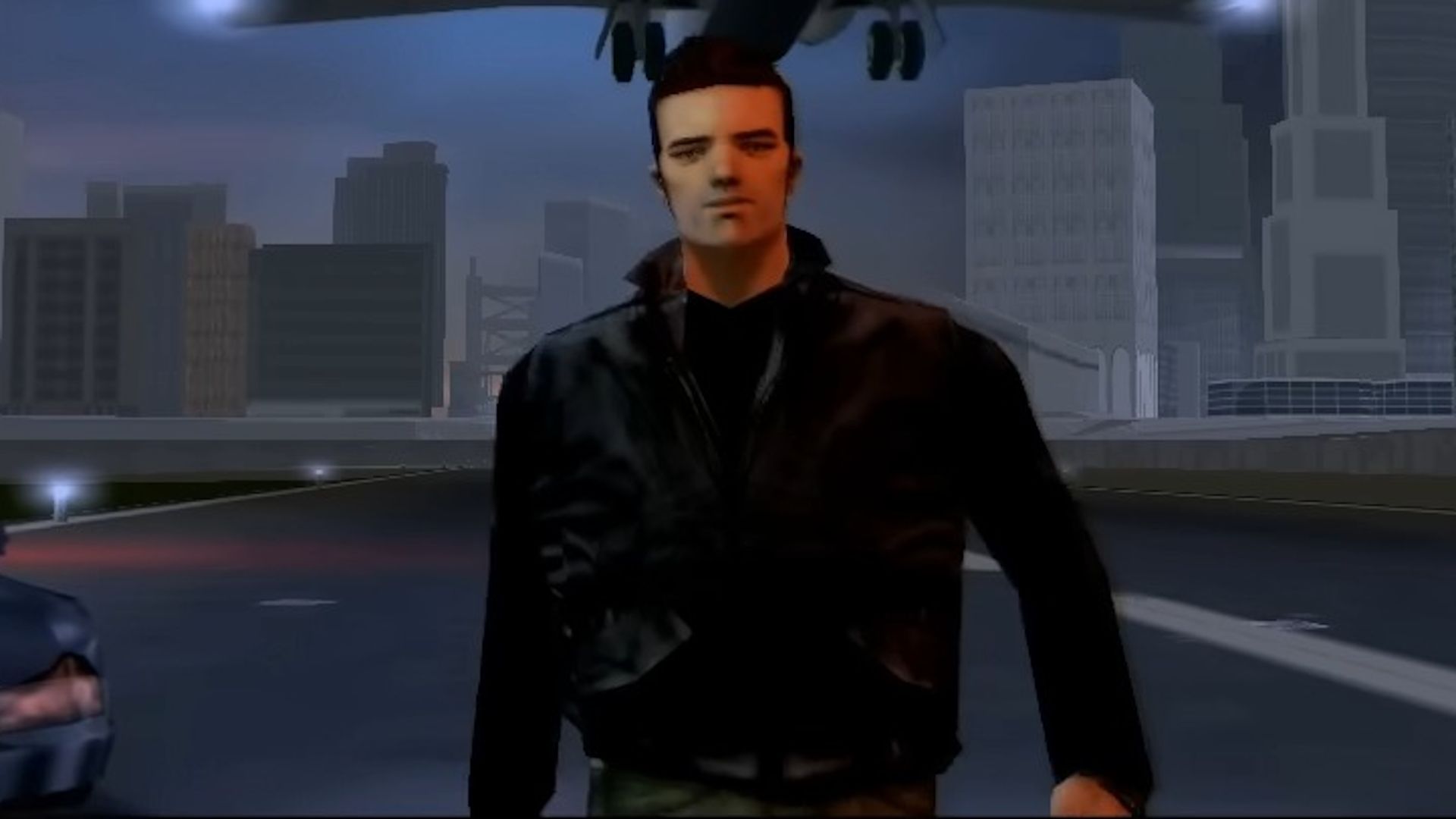
Twenty-five years ago this month, Grand Theft Auto 3 launched and rewrote the rules for open-world games. But if you'd walked into DMA Design's Edinburgh office a year earlier, you wouldn't have seen a masterpiece in the making. You'd have seen a project that, in Vermeij's words, was "in a sorry state" — crashing constantly, chugging at 20 frames per second, and sporting a map so full of holes you could fall through the world.
The turnaround happened fast. Only in the last six months did everything click: the frame rate hit 30, the holes got patched, and the chaos coalesced into the game that made open-world design a household term. It's a familiar pattern — Todd Howard said Starfield took seven years to become fun — but hearing it from someone who was there, describing a game we now treat as inevitable, hits different.
The Miami game that never was
Before GTA 3 got its green light, a different game was taking shape in Dundee. GTA 2.5 would have kept the series' isometric view and set the action in Miami. Take-Two cancelled it in 2000 and closed the Dundee studio. Vermeij says everything for GTA 3 was written from scratch — no code, no art carried over from GTA 2. He puts the overlap at just two people. That clean break let the team rethink what a Grand Theft Auto game could be, but it also meant building an engine, a city, and a design philosophy from zero.
How they actually worked
Vermeij paints a picture that feels almost quaint now. The team was small enough that ideas for missions, radio stations, cars, or pedestrians could go in daily. If they were fun, they stayed. The story — Catalina's betrayal, Claude's silence — was added well into development. Multiplayer was the only thing Vermeij remembers as wasted effort. There was no sprawling design document, no army of producers. Just a group of young developers in Edinburgh, many recently moved, figuring it out together.
The crunch that wasn't
Rockstar's reputation for brutal hours is well documented, but Vermeij's memory of GTA 3 tells a different story. "I don't remember many people doing crazy hours," he says. Weekends were quiet — one or two people at most. Even during crunch, most left by 9 or 10 pm. "I always thought it was better to work eight focused hours than spend your life in the office." Whether that held for later projects is another question, but for GTA 3, the legend of the death march doesn't match the veteran's memory.
The E3 nobody cared about
May 2001. E3. GTA 3 gets shown and... shrugs. Most attendees weren't interested. Those who were thought it too violent. The launch was merely okay. Then sales didn't taper off. They kept climbing. The game that looked like a risky pivot became the template. Vermeij remembers the camaraderie most — the pub trips, the shared reliance, the feeling of friends building something together. Today Rockstar employs thousands; a whole studio just handles NPCs for GTA 6. Edinburgh's going to need a bigger pub.



Comments
Discuss on r/GTA6Sourced ↗No comments yet. Be the first to say what you noticed.